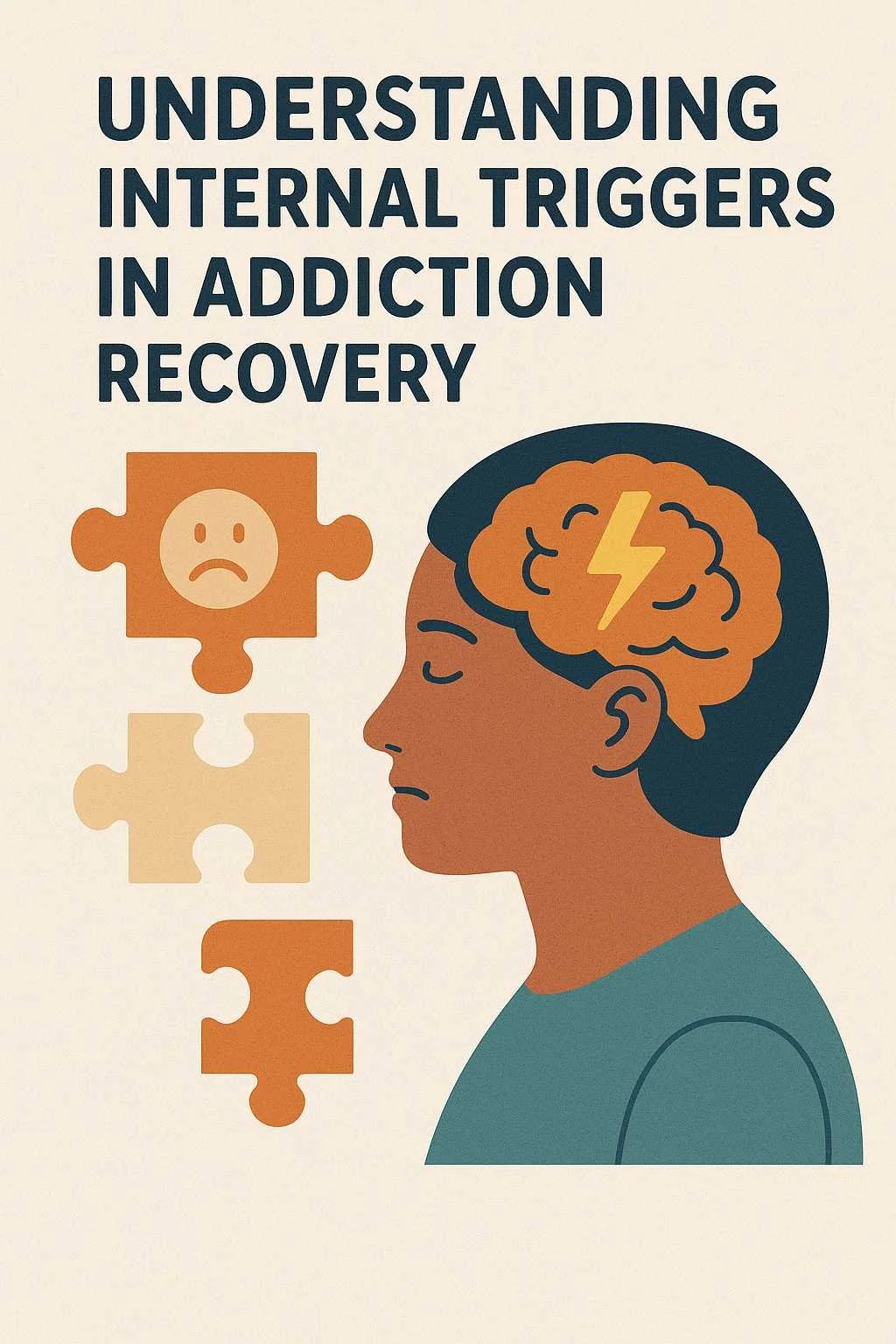
Understanding Internal Triggers: The Hidden Drivers of Our Actions
In the intricate landscape of human behavior, much of what we do, from the mundane to the monumental, is prompted by a preceding event or sensation. While external cues like a notification ping or a traffic light turning red are obvious instigators, a more subtle yet profoundly powerful category exists: internal triggers. These are the thoughts, emotions, and physical sensations that reside within us, acting as catalysts for our actions, often without us even realizing it. Mastering the art of recognizing and responding to these internal forces is not just a skill; it's a superpower for intentional living, habit formation, and emotional regulation.
At their core, internal triggers are psychological or physiological states that precede a particular behavior. They are the feelings of boredom that lead to mindless scrolling, the pangs of anxiety that drive us to seek comfort food, or the subtle stirrings of self-doubt that cause procrastination. Unlike external triggers, which are observable elements in our environment, internal triggers are felt, thought, or sensed from within. Understanding them is the first crucial step toward taking control of our reactions and steering our lives in a more desired direction.
This article will delve into the nature of these powerful internal cues, provide practical strategies for identifying your own unique triggers, and offer actionable advice on how to respond to them consciously rather than react impulsively. By shedding light on these hidden drivers, you can begin to transform unconscious habits into deliberate choices, paving the way for greater self-awareness and personal growth.
The Nature of Internal Triggers: Emotions, Thoughts, and Sensations
Internal triggers manifest in various forms, each capable of prompting a cascade of thoughts and behaviors. They can be broadly categorized into emotions, thoughts, and physical sensations. Recognizing the subtle nuances of each category is vital for accurate identification and effective management.
- Emotions: These are perhaps the most common and potent internal triggers. Feelings like stress, anxiety, boredom, loneliness, sadness, frustration, or even excitement can drive specific actions. For instance, the feeling of loneliness might trigger an urge to check social media constantly, seeking connection. Stress could lead to emotional eating or procrastination as a coping mechanism. Even positive emotions, if not managed, can trigger impulsive behaviors like overspending during a moment of euphoria.
- Thoughts: Our internal dialogue and cognitive patterns are powerful triggers. Thoughts of self-doubt, limiting beliefs ("I'm not good enough"), rumination about past mistakes, or intrusive thoughts ("I should be doing more") can propel us into specific actions or inactions. For example, a thought about an impending deadline coupled with self-doubt might trigger intense procrastination. Similarly, the thought "I'm exhausted" can be an internal trigger to abandon a workout plan, even if the fatigue is mild.
- Sensations: Our bodies provide a continuous stream of information, and certain physical sensations can act as internal triggers. These include hunger, fatigue, restlessness, pain, or even cravings. A mild headache might trigger a desire to stop working and lie down, regardless of actual need. A sudden urge for sugar (a craving) can be a powerful trigger for unhealthy eating habits. The feeling of restlessness might lead to an impulsive decision to embark on a new, unscheduled activity.
It's important to remember that these categories often overlap and interact. A stressful thought might lead to a feeling of anxiety, which then manifests as a restless sensation in the body, all combining to trigger a specific behavior. Understanding this interconnectedness allows for a more holistic approach to managing our internal world.
Identifying Your Internal Triggers: A Path to Self-Awareness
The journey to mastering your reactions begins with a profound understanding of what sparks them. Identifying your specific internal triggers is a process of introspection and diligent observation. It requires becoming a detective of your own mind and body, noting the patterns that precede your actions. Here are several practical tips and methods to help you uncover your unique internal cues:
1. The Trigger Journal: Your Personal Behavioral Log
One of the most effective ways to identify internal triggers is to keep a detailed journal. Whenever you find yourself engaging in a behavior you want to change (or reinforce), pause and record the following:
- The Behavior: What exactly did you do? (e.g., scrolled on social media, ate a sugary snack, procrastinated on a task).
- The Internal Trigger: What thought, emotion, or sensation did you experience immediately *before* the behavior? Be as specific as possible. Was it boredom? Anxiety? A specific negative thought? A feeling of restlessness?
- The Context: Where were you? What time was it? Who were you with? (This can sometimes reveal external triggers, which often co-occur with internal ones).
- The Outcome: How did you feel after performing the behavior? Did it provide temporary relief, or did it deepen the negative feeling?
2. Cultivate Mindfulness: Paying Attention to the Present Moment
Mindfulness is the practice of paying attention to the present moment without judgment. By developing a mindful awareness, you become more attuned to your internal landscape. This allows you to catch internal triggers as they arise, often before they escalate into an overwhelming urge. Simple mindfulness exercises, like focusing on your breath for a few minutes daily, or performing a body scan, can enhance your ability to notice thoughts, emotions, and sensations as they pass through you, rather than being swept away by them. This heightened awareness creates a crucial "pause" between the trigger and your potential reaction.
3. Reflect on Past Experiences and Urge Surfing
Think back to times when you acted impulsively or regretted a behavior. What was going on inside you just before? Were you feeling overwhelmed? Bored? Tired? Reflecting on these instances can provide valuable clues. Additionally, practicing "urge surfing" involves acknowledging an internal trigger or urge without acting on it. Imagine the urge as a wave: it builds, crests, and then recedes. By simply observing it, you learn that these internal states are temporary and that you don't *have* to respond to them immediately. To truly master your responses, it's essential to understand the broader context of how triggers function, a topic explored further in internal triggers - Article 2, which delves into managing these impulses.
Strategies for Responding to Internal Triggers (and Not Reacting)
Once you've identified your internal triggers, the next powerful step is to consciously choose how you respond. This is where you transform from being a passive recipient of your urges to an active architect of your behavior. Here are effective strategies to help you respond thoughtfully, rather than react impulsively:
1. Create a "Pause" – The Power of the Gap
Between an internal trigger and your customary reaction lies a small but significant gap. Learning to widen this gap is crucial. When you notice an internal trigger (e.g., a feeling of frustration, a thought of self-doubt), consciously take a pause. This might involve a deep breath, counting to ten, or simply observing the sensation without judgment. This pause disrupts the automatic chain reaction and gives you time to choose a different path. Ask yourself: "What do I *really* need right now?" or "Is this urge serving my long-term goals?"
2. Reframe or Reinterpret the Trigger
Often, our reaction to an internal trigger is based on our interpretation of it. Can you reframe the trigger? For instance, if anxiety is an internal trigger for procrastination, can you reframe the anxiety not as a signal to avoid, but as a surge of energy that can be channeled into focused work? If boredom is a trigger for mindless scrolling, can you see boredom as an opportunity for creativity or rest, rather than a void to be filled? Challenging the narrative around your internal states can fundamentally alter your response.
3. Develop Alternative, Healthy Responses (Replacement Behaviors)
Don't just try to suppress a behavior; replace it with a more constructive one. Proactively decide what you will do when a specific internal trigger arises.
- If boredom is your trigger for reaching for your phone, perhaps your alternative response is to read a chapter of a book, take a short walk, or engage in a quick creative activity.
- If stress triggers emotional eating, your alternative could be a short meditation, a brisk walk, or calling a supportive friend.
- If fatigue is a trigger for sugary snacks, try having a glass of water, a healthy protein snack, or taking a 10-minute power nap instead.
4. Address the Root Cause of Persistent Triggers
While the above strategies help manage the immediate response, it's also important to consider addressing the underlying issues that create certain internal triggers. If chronic stress is a major trigger, explore stress management techniques like regular exercise, better sleep, or time management. If persistent feelings of loneliness drive unhealthy social media use, consider actively pursuing real-world connections. Sometimes, managing internal triggers means working on deeper aspects of your well-being.
Conclusion
The journey of understanding and managing internal triggers is a continuous path of self-discovery and growth. By becoming attuned to the subtle whispers of our emotions, thoughts, and sensations, we gain unprecedented control over our reactions and, ultimately, our destiny. It’s not about eliminating these internal cues – they are a fundamental part of the human experience – but rather about transforming our relationship with them. Through diligent self-observation, mindful awareness, and the conscious development of alternative responses, you can break free from automatic behaviors and cultivate a life of greater intention and purpose. Embrace this powerful journey, and unlock the immense potential that lies within your ability to choose how you respond to the internal forces that shape your world.
