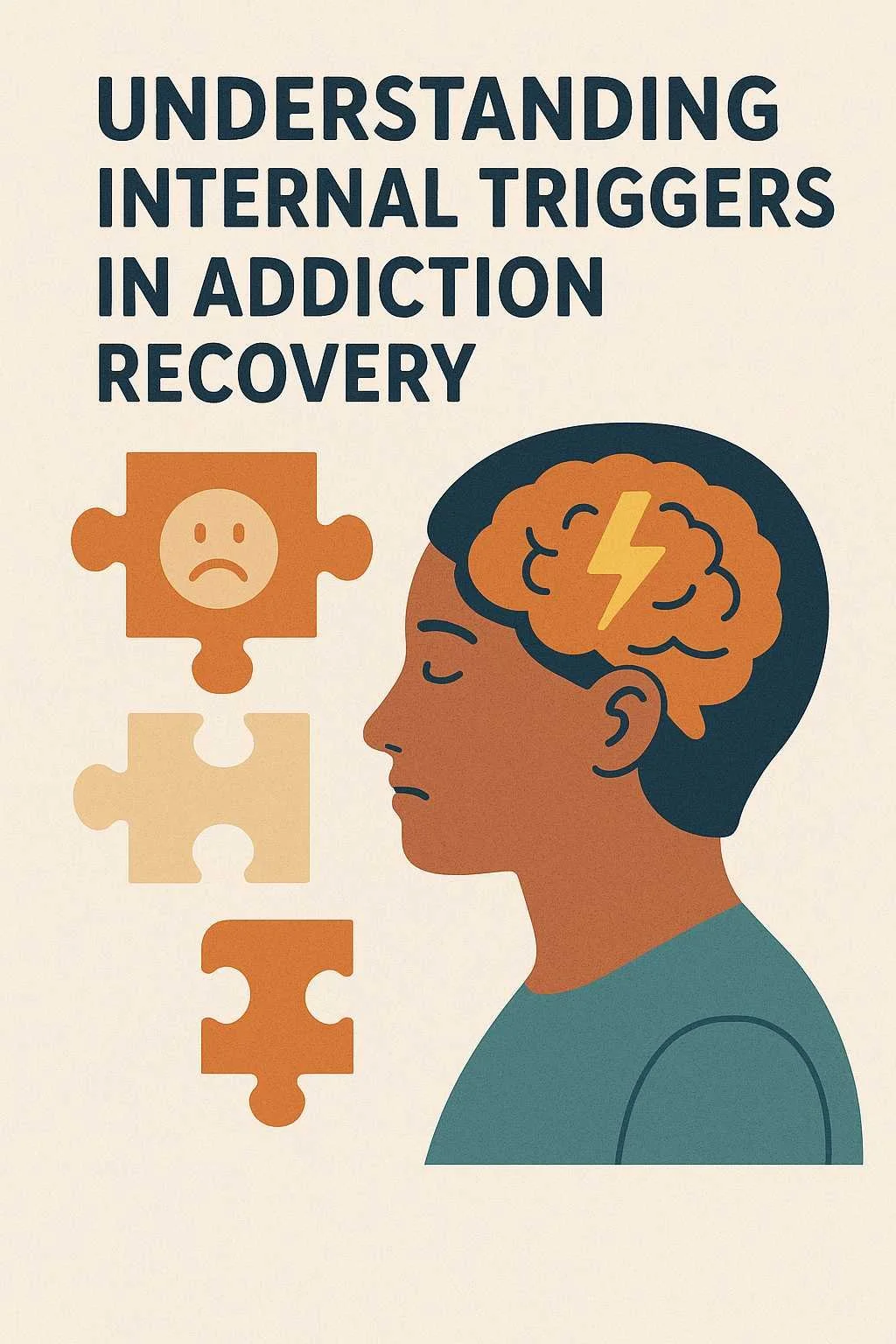
In our ongoing exploration of the forces that shape our habits and behaviors, we've delved into the fundamental concepts of triggers. While internal triggers - Article 1 introduced the broader landscape and internal triggers - Article 2 may have further elaborated on their characteristics, this article aims to provide a comprehensive, actionable guide to identifying and effectively managing these often subtle, yet incredibly powerful, internal cues. Unlike external prompts from our environment, internal triggers emerge from within us – our thoughts, feelings, and physiological sensations. Mastering the ability to recognize and skillfully respond to these inherent signals is a cornerstone of self-mastery, enabling us to break free from unwanted patterns and intentionally cultivate positive habits.
What Are Internal Triggers? Unpacking the Inner Landscape
Internal triggers are the personal, subjective states that prompt us towards a particular action or reaction. They are not external stimuli like a phone notification or seeing a bag of chips; instead, they are the feelings, thoughts, and physical sensations that arise from within our own minds and bodies. These intrinsic cues are often the invisible engines driving our most ingrained habits, both good and bad.
Common examples of internal triggers include:
- Emotional States: Boredom, anxiety, stress, loneliness, sadness, frustration, happiness, or excitement.
- Cognitive States: Specific thoughts such as "I deserve a break," "I'm not good enough," "I need to escape," or self-doubt.
- Physiological Sensations: Fatigue, hunger, thirst, physical discomfort, or restlessness.
The true challenge with internal triggers lies in their elusive nature. They can be fleeting, subtle, and deeply habitual, often operating below the threshold of our conscious awareness. Because they're part of our internal experience, we frequently dismiss or misattribute them, making them harder to pinpoint than a tangible external cue. Yet, it's precisely this subtle influence that makes understanding and identifying your specific internal triggers so crucial for personal growth and behavioral change.
The Impact of Unrecognized Internal Triggers on Habits
When internal triggers remain unrecognized, they wield immense, often detrimental, power over our lives. They silently dictate our choices, derail our goals, and perpetuate cycles of behavior we desperately wish to alter. Consider these all-too-common scenarios:
- A feeling of inadequacy (an internal trigger) might lead to endless scrolling on social media (a behavior) as a means to escape discomfort, rather than engaging with a challenging work task.
- Chronic stress (another potent internal trigger) could prompt a craving for sugary foods or alcohol (a behavior), offering temporary relief but leading to long-term health consequences.
- Boredom during a quiet moment (an internal trigger) might result in immediately reaching for a cigarette, a video game, or excessive online shopping, thereby reinforcing an undesirable habit.
These hidden drivers are particularly potent because they often tap into fundamental human needs: the need for comfort, distraction, connection, validation, or relief from discomfort. If we don't consciously identify the underlying internal trigger and address the need it signifies in a healthy, intentional way, we inevitably fall back on old, ingrained behaviors that offer instant gratification, even if they ultimately undermine our well-being and goals. Recognizing this dynamic is not about blaming ourselves; it's about empowering us to understand the deeper mechanics at play and, consequently, to choose more constructive responses.
Actionable Steps to Identify Your Internal Triggers
Identifying your specific internal triggers is a foundational step toward gaining control over your habits. It requires curiosity, self-observation, and consistent reflection. Here are practical strategies to illuminate these hidden drivers:
1. Cultivate Mindfulness and Self-Awareness
Mindfulness is the practice of paying attention to the present moment, on purpose, and without judgment. This heightened awareness allows you to catch internal signals before they escalate into automatic reactions.
- Regular Check-ins: Periodically throughout your day, pause and ask yourself: "What am I feeling right now? What thoughts are running through my mind? What physical sensations am I experiencing?"
- Emotional Vocabulary: Expand your language for emotions. Instead of broadly "bad," try to pinpoint if it's frustration, disappointment, anxiety, or sadness. Greater specificity helps in identification.
2. Keep a Dedicated Trigger Journal
A journal is an invaluable tool for tracking patterns over time. Whenever you engage in a habit you want to change (or a new one you're building), pause and record the following details:
- Date and Time: When did this occur?
- The Behavior: What exactly did you do?
- The Internal Trigger: What were you feeling, thinking, or sensing immediately beforehand? Be as specific as possible (e.g., "a sudden pang of anxiety in my stomach," "the thought 'I'm so tired of this'").
- The Context: Where were you? Who were you with? What were you doing just before?
Over several days or weeks, you will begin to notice recurring internal triggers associated with particular behaviors. For example, you might discover that every time you feel overwhelmed by your to-do list, you invariably reach for your phone to scroll social media.
3. Practice the "5 Whys" Technique
Adapted from root cause analysis, this method helps you dig deeper into the underlying internal triggers of your behaviors. When you identify an unwanted action, ask "Why?" five times to uncover the root cause.
Example:
- I just ordered unhealthy takeout. Why? Because I felt too tired to cook.
- Why did I feel too tired to cook? Because I stayed up late browsing the internet.
- Why did I stay up late browsing? Because I felt restless and couldn't settle down.
- Why did I feel restless? Because I had an unresolved argument with a family member that day.
- Why did that argument make me restless? Because I dislike conflict and ruminate over it, feeling a need for distraction or comfort.
This reveals "dislike of conflict," "rumination," and the "need for distraction/comfort" as deeper internal triggers for restlessness and subsequent unhealthy eating.
Mastering Your Response: Strategies for Internal Triggers
Once you've identified your internal triggers, the next step is to develop conscious, healthier responses instead of defaulting to old habits. This isn't about eliminating the trigger (which is often impossible for internal states like boredom or stress) but changing your reaction to it.
1. Observe and Accept, Don't Suppress
When an internal trigger arises, try not to fight it or judge yourself for feeling it. Simply acknowledge its presence. Say to yourself, "I'm feeling anxious right now," or "That's boredom kicking in." This creates a crucial space between the trigger and your usual reaction. Often, simply observing an urge without acting on it can diminish its power.
2. Implement a "Delay and Distract" Strategy
When you feel an internal trigger, commit to delaying your usual response for a short, specific period (e.g., 10 minutes). During this delay, engage in a distracting activity that is incompatible with the unwanted behavior – go for a short walk, drink a glass of water, call a friend, do a quick chore, or engage in a brief mindfulness exercise. Often, by the time the delay is over, the intensity of the trigger will have lessened.
3. Substitute with a Healthy Alternative
For every identified internal trigger, proactively plan a healthier, more constructive behavior you can perform instead of the old habit. If boredom triggers endless social media scrolling, perhaps a healthy alternative is reading a book, calling a loved one, or working on a personal project. If stress triggers emotional eating, try deep breathing, going for a brisk walk, or listening to calming music.
4. Address the Root Cause (Long-Term Strategy)
While managing immediate responses is vital, consider what you can do to reduce the frequency or intensity of certain internal triggers in the long run. If stress is a constant trigger, how can you reduce overall stress in your life? This might involve improving time management, delegating tasks, setting boundaries, getting more sleep, or seeking professional support like therapy or coaching. If loneliness is a trigger, focus on building stronger social connections.
Understanding and proactively managing your internal triggers is a powerful leap towards self-mastery and intentional living. By consistently observing your thoughts, feelings, and sensations, you can uncover the hidden drivers behind your actions. Armed with this knowledge, you are no longer a passive recipient of your impulses but an active architect of your habits. Embrace the journey of self-discovery, practice compassionate awareness, and empower yourself to choose responses that align with your deepest values and long-term goals. The ability to navigate your inner world effectively is perhaps the most significant skill you can cultivate for a fulfilling and productive life.
