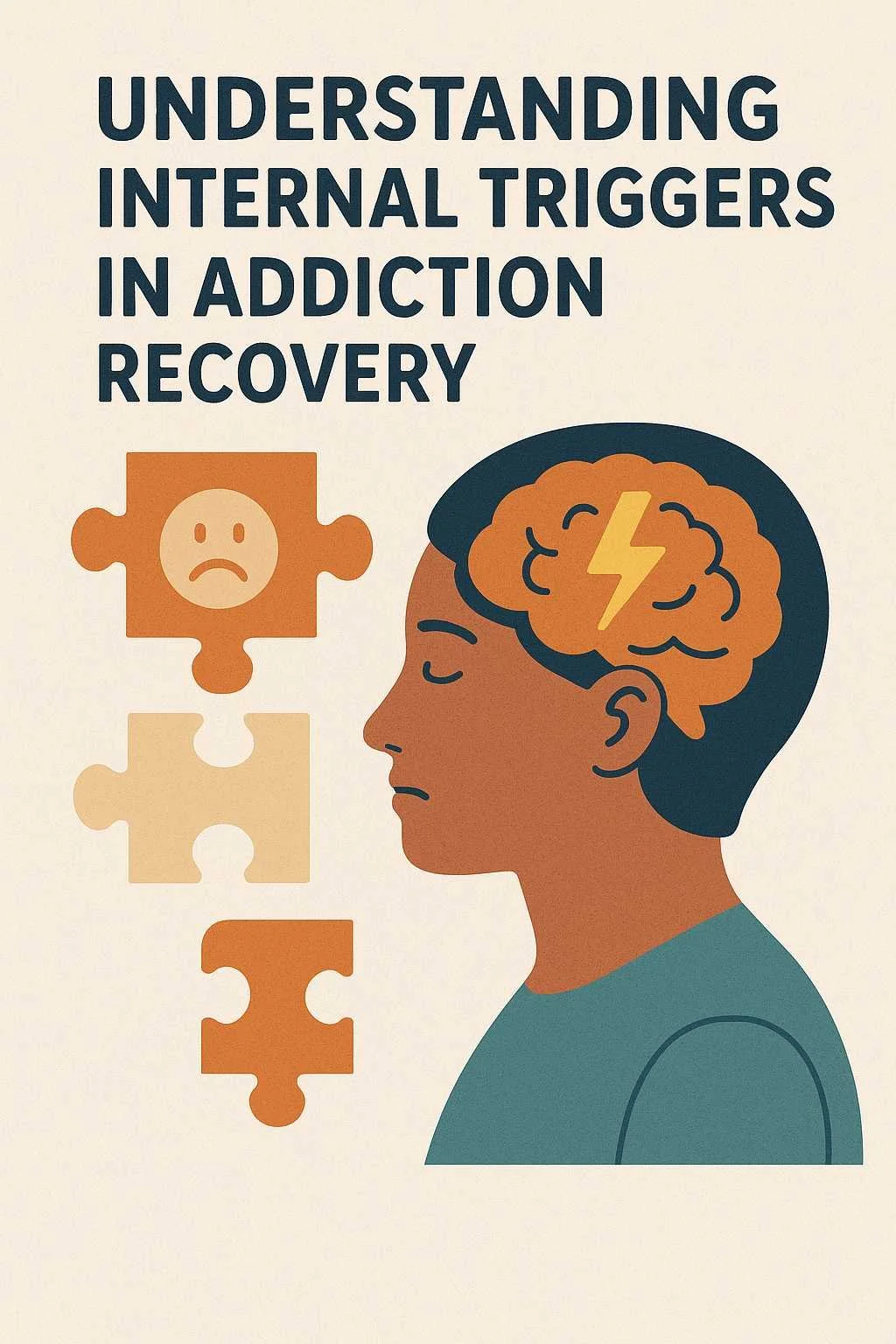
Building on our foundational understanding from internal triggers - Article 1, this article delves deeper into the often-elusive world of inner cues that drive our actions. While external triggers are readily observable – a notification ping, a specific location, or the sight of a particular item – internal triggers are the subtle, personal, and profoundly powerful forces originating from within. These aren't just fleeting thoughts; they are the emotional states, physical sensations, and cognitive patterns that precede and often dictate our responses, steering us towards habits, both helpful and unhelpful. Recognizing and understanding these internal catalysts is not merely an act of self-reflection; it's a critical step towards reclaiming autonomy over our choices and forging a more intentional path.
Decoding Your Inner Landscape: What Are Internal Triggers?
Internal triggers are the invisible strings that pull us, often before we've even registered their presence. They are the feelings, thoughts, and physiological states that prompt us to engage in certain behaviors. Unlike external triggers, which are features of our environment, internal triggers arise from our subjective experience. Mastering them requires a heightened sense of self-awareness and a willingness to explore the intricate connections between our inner world and our outer actions.
The Subtle Signals Within
These triggers manifest in various forms, making their identification a nuanced process:
- Emotional States: Perhaps the most common and potent internal triggers. Feelings like boredom, loneliness, anxiety, stress, frustration, sadness, excitement, or even happiness can initiate a chain reaction leading to a specific behavior. For instance, boredom might trigger an urge to scroll social media, while stress could lead to comfort eating.
- Physical Sensations: Our bodies constantly send us signals. Fatigue, hunger, thirst, discomfort, pain, restlessness, or even a sudden burst of energy can serve as powerful internal triggers. A persistent feeling of tiredness might trigger the urge to procrastinate, or a restless energy might lead to impulsive spending.
- Cognitive Patterns & Thoughts: These include self-critical thoughts, self-doubt, perfectionism, rumination, comparison, specific memories, future worries, or even just a general feeling of needing to "get something done." The thought, "I'm not good enough," could trigger a withdrawal from social interaction, while "I need a reward" could lead to an unhealthy indulgence.
The challenge with internal triggers lies in their subtlety and omnipresence. They are part of our continuous inner monologue and experience, making them harder to isolate and analyze than a specific visual cue. Yet, it's precisely this intimate connection to our inner selves that makes understanding them so crucial for personal growth and habit change.
The Path to Self-Awareness: Identifying Your Unique Internal Triggers
The journey to mastering internal triggers begins with diligent observation and honest self-inquiry. Without recognizing what's truly prompting our actions, we're likely to remain on autopilot, reacting rather than choosing consciously.
Practical Tools for Revelation
Developing the skill to identify your unique internal triggers is an ongoing practice. Here are some actionable strategies:
- The "Why Now?" Question: Whenever you find yourself engaging in a habit you wish to change, pause and ask, "What internal state am I experiencing right before this action? Why now?" Is it boredom? Stress? A feeling of inadequacy? A physical craving? This immediate reflection is a powerful data-gathering tool.
- Trigger Logging/Journaling: Dedicate a small notebook or a digital document to tracking your triggers. For each instance of a target behavior (e.g., procrastinating, emotional eating, compulsive checking), record:
- Date and time
- The specific behavior
- What internal feeling, thought, or sensation preceded it? (e.g., "felt anxious about presentation," "bored during a meeting," "sudden memory of past failure," "stomach growling loudly")
- How intense was the urge?
- What did you do instead (if anything different)?
- Mindfulness Practice: Engaging in mindfulness meditation can significantly enhance your ability to observe your thoughts and feelings without immediate judgment or reaction. By creating a space between the trigger and your response, you gain the opportunity to identify the trigger more clearly. Even a few minutes of daily mindfulness can sharpen your inner vision.
- The "5 Whys" Technique: When you identify an internal trigger, ask "why" five times to dig deeper into its root cause. For example: "I felt stressed, so I ate a cookie." Why stressed? "Because I have a big deadline." Why is that stressful? "Because I doubt my ability to finish on time." Why doubt? "Because I fear failure." This method can help uncover underlying beliefs or needs that fuel your triggers.
Remember, internal triggers are often deeply personal. What triggers one person to procrastinate might make another motivated. The key is to discover your own unique patterns and to do so with curiosity rather than self-judgment.
Beyond Reaction: Understanding and Responding to Internal Triggers
Once identified, the next crucial step is to understand the function of these triggers and develop intentional responses. This isn't about suppressing feelings, but about understanding what they're trying to communicate and choosing a healthier, more constructive way to address those messages.
Shifting from Automatic to Intentional
Internal triggers often arise because they have, at some point, been linked to a "reward" – even if that reward is temporary relief from an uncomfortable feeling. Breaking this cycle requires conscious effort and strategic intervention:
- Acknowledge and Accept: The first step is to simply notice the internal trigger without judgment. "Ah, there's that familiar feeling of anxiety," or "I'm feeling incredibly bored right now." Resisting or condemning the feeling often amplifies it. Acceptance means acknowledging its presence, not necessarily agreeing with it or acting on it.
- Get Curious, Not Critical: Instead of immediately reacting, try to approach your internal trigger with a sense of curiosity. "What is this feeling of restlessness trying to tell me? Is there an unmet need here?" This shift in perspective disarms the trigger's power and opens up space for thoughtful response.
- Delay and Divert: When an urge arises from an internal trigger, practice delaying your usual response. Even a 10-minute delay can create enough space for the intensity of the urge to subside. During this delay, you can divert your attention to a different, less harmful activity or engage in a brief mindfulness exercise.
- Investigate the Underlying Need: Often, internal triggers signal an unmet psychological or physiological need. If boredom is the trigger, perhaps the underlying need is for stimulation, meaning, or connection. Instead of mindlessly scrolling, could you read a book, call a friend, or start a new hobby? If anxiety is the trigger, is there an unresolved problem to address, or is it a need for self-soothing and reassurance?
- Substitute a Healthier Response: Once you understand the need, you can consciously choose a healthier alternative behavior. If stress is an internal trigger for emotional eating, could you substitute a walk, deep breathing exercises, talking to a friend, or engaging in a hobby? This redirection is central to forming new, more beneficial habits. For more on developing resilient habits and proactive strategies, you'll find valuable insights in internal triggers - Article 3.
This process of acknowledgement, investigation, and substitution isn't about eliminating internal triggers entirely – they are a natural part of being human. Instead, it's about changing your relationship with them, moving from being controlled by them to consciously responding to them.
Cultivating Resilience: Long-Term Strategies for Managing Internal Triggers
Managing internal triggers effectively is a skill that develops over time, requiring patience, persistence, and a multi-faceted approach. It's about building a robust internal toolkit that allows you to navigate life's inevitable emotional and physical fluctuations with grace and intention.
Building a Proactive Toolkit
Beyond immediate response strategies, consider these long-term approaches to cultivate resilience against the grip of internal triggers:
- Address Root Causes of Uncomfortable States: Many potent internal triggers (stress, fatigue, loneliness, boredom) can be reduced by proactively managing your overall well-being. Prioritize quality sleep, maintain a balanced diet, engage in regular physical activity, foster meaningful social connections, and build strategies for managing chronic stress. A well-nourished, well-rested, and socially connected self is less susceptible to being overwhelmed by internal urges.
- Develop Emotional Regulation Skills: Learning techniques like deep breathing, progressive muscle relaxation, or journaling about your feelings can help you process emotions rather than being driven by them. Therapy or counseling can also be invaluable for developing healthier emotional coping mechanisms.
- Practice Self-Compassion: When internal triggers arise, especially those linked to self-criticism or past failures, it's easy to fall into a shame spiral. Treat yourself with the same kindness and understanding you would offer a friend. Recognize that struggling with internal triggers is part of the human experience, and setbacks are opportunities for learning, not reasons for condemnation.
- Cognitive Reappraisal: Challenge the thoughts associated with your internal triggers. If the thought "I can't do this" is an internal trigger for procrastination, ask yourself: "Is that thought 100% true? What evidence do I have against it? What's a more balanced perspective?" Reframing negative thoughts can diminish their power.
- Cultivate a Sense of Purpose and Meaning: When individuals lack a clear sense of purpose or feel a void, internal triggers like boredom or restlessness can become overwhelming. Engaging in activities that align with your values, contributing to something larger than yourself, or pursuing passions can fill this void and reduce the intensity of certain internal triggers.
By integrating these proactive and responsive strategies, you equip yourself to not just react to internal triggers, but to understand them, learn from them, and ultimately, choose your path forward with greater awareness and control. It’s an ongoing process of self-discovery and conscious evolution.
The journey of understanding and managing internal triggers is a profoundly personal and empowering one. It moves us beyond simply reacting to our inner states and empowers us to respond with intention and wisdom. By diligently observing our emotions, thoughts, and physical sensations, and by implementing conscious strategies to address the underlying needs they signal, we gain an unparalleled ability to shape our habits and our lives. This heightened self-awareness is not about perfection, but about progress – about consistently choosing growth over automatic reaction. Continue to explore these insights, practice the techniques, and remember that every moment of awareness is a step towards greater freedom and well-being.
